 |
| Pope Francis |
I wonder if the
most significant and memorable event of the Year of Faith (which draws to a
close on November 24th ), might have been the day of prayer and fasting for
peace in Syria and the Middle East this past Saturday. With only a week’s notice, Pope Francis directed
the entire Church (all 1.2 billion of us), to pray for peaceful and non-violent
resolution of the civil war in Syria, which has already claimed 100,000 lives
and forced an estimated 2 million refugees to flee the country.
In calling for this day of
prayer and fasting, Pope Francis condemned the use of chemical weapons and
their possession, cautioned against any escalation of the violence or widening
of the war and called for a ceasefire and urged all parties to seek a political
and not a military solution to the crisis.
None of which is
unexpected coming from the Vatican. The
Holy See (and by extension, the Catholic Church) can be relied upon to
always recommend peaceful rather than a violent
solutions to international conflicts and disputes.
But in his call to prayer and fasting, Pope Francis spoke of the moral duty of every person of good will to
pursue peace. In his announcement, he
wrote:
“All men and women of good will are
bound by the task of pursing peace. I
make a forceful and urgent call to the entire Catholic Church, and also to
every Christian or other confessions, as well as to the followers of every
religion and to those brothers and sisters who do not believe: peace is a good
which overcomes every barrier, because it belongs to all of humanity.”
He went onto say: “ I repeat forcefully: it is neither a
culture of confrontation nor a culture of conflict that builds harmony within
and between peoples, but rather a culture of encounter and a culture of
dialogue; this is the only way to peace.
May the plea for peace rise up and touch the heart of everyone so they
may lay down their weapons and let themselves be led by the desire for peace.”
But then, building on the
foundation of a shared humanity and our ability using reason to arrive at
natural truth (in this case, that we bound as human beings to pursue peace in
every situation, he became a powerful evangelist.
Into the despair and
hopelessness of the present war in Syria, at a time when the threat of wider,
even more violent and intractable war threatens, the Holy Father proclaimed a
day of fasting and prayer. Why? Because, as he wrotes, “ Humanity needs to see these gestures of peace and to hear words of
hope and peace.”
 He wanted us as a Church,
as disciples and witnesses of Jesus, the Prince of Peace and the Light of the
world, and praying for the intercession of his Mother, the Queen of Peace, to
gather publicly in prayer and in a spirit of penance to invoke “God’s great gift of peace upon the beloved
nation of Syria and upon each situation of conflict and violence around the
world.”
September 7th
was a powerful act of witness to Jesus Christ and to the way of life that he
calls us to live as his disciples. On our knees
we asked God to convert and to change our hearts and the hearts of all those
who have taken up arms and we appealed in prayer for all those in need and for
an increase in our own love and care for the poor and the dispossessed of Syria
and the Middle East.
At the same time, by
gathering to pray, we were, despite our own frailty and sinfulness, witnesses
to the transforming and incandescent love of God, revealed most fully and
perfectly in the Person of Jesus, which illumines the darkness of sin,
suffering and death. His light, his
truth, his peace and his love, embodied and incarnated in the earthen vessels
of Christians and all those who seek dialogue, reconciliation and peace, are a shining
beacon of hope for those who are hopeless and cynical and in despair.
Let us entrust ourselves
and each other to our loving God, for whom nothing is impossible, and may the
peaceful witness of our lives invite all men and women to faith in Christ, our
Savior and our Hope.
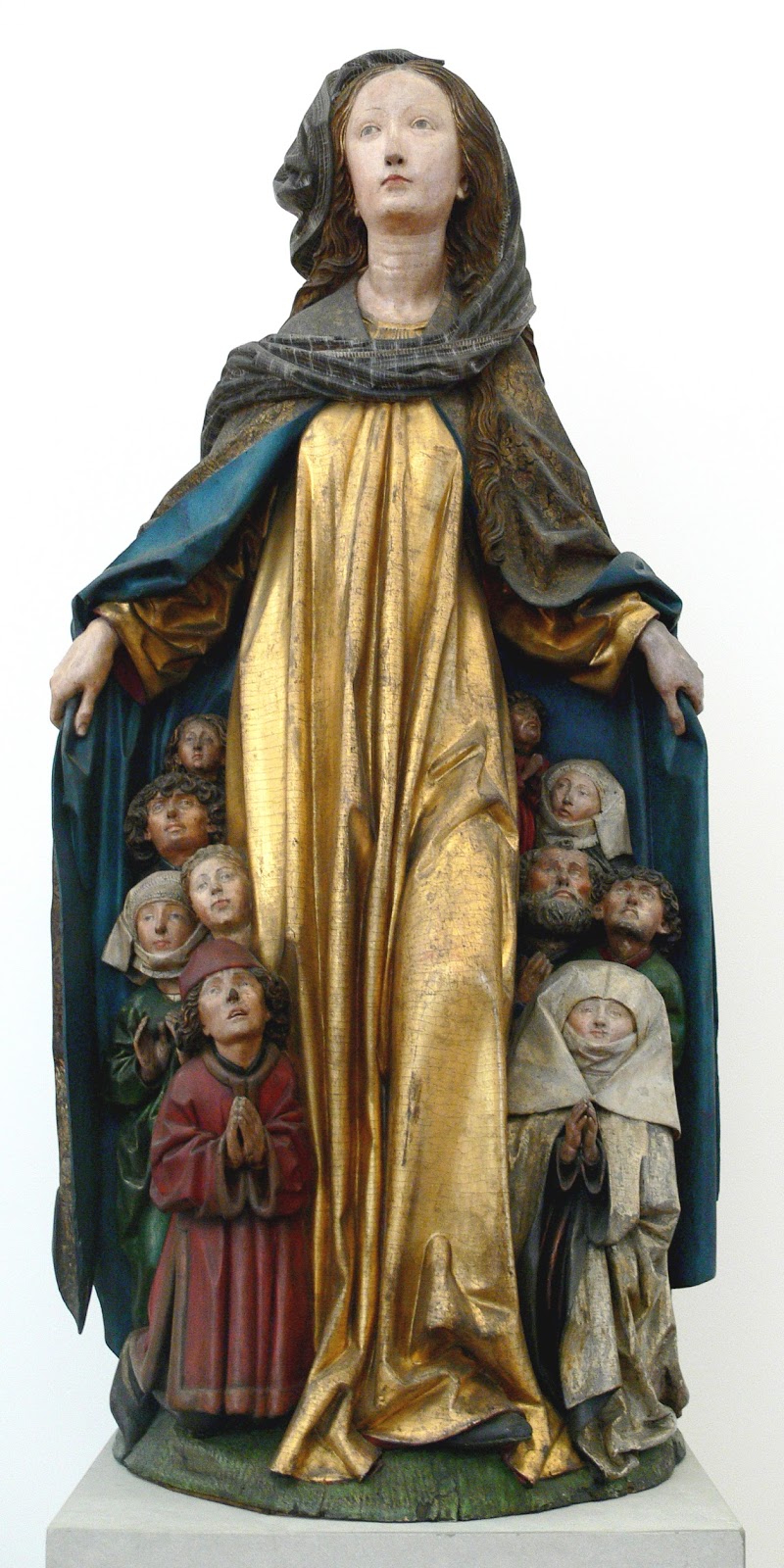
Mary, Queen of Peace, pray for Syria, pray for us.
(The detail of the face of Christ is from an icon by the 20th century Russian iconographer, Leonid Ouspenski. The icon of Mary is the Syrian icon of Our Lady of Saidnaya.)




 Posted with Blogsy


